Yves Saint Laurent
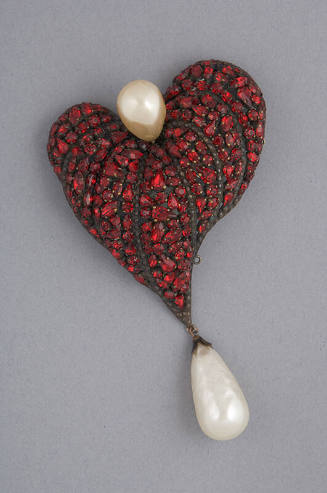
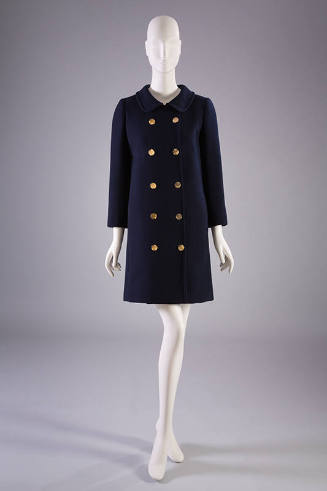
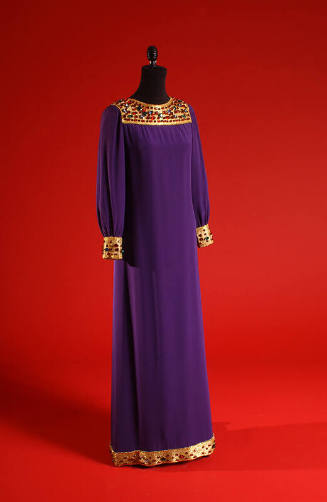
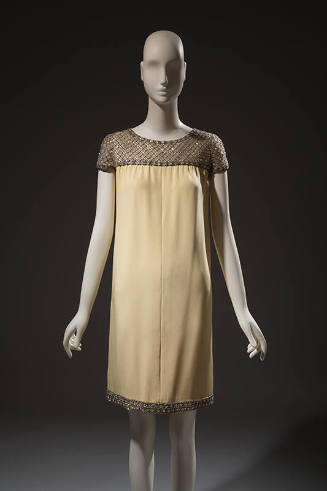
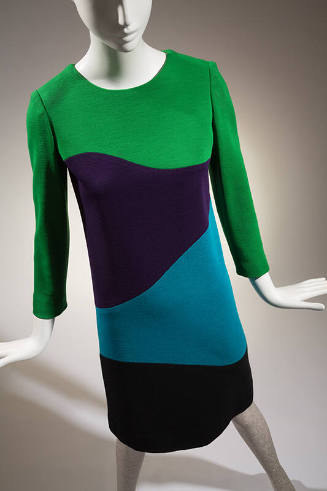
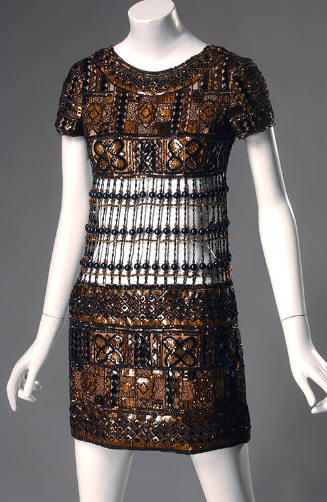
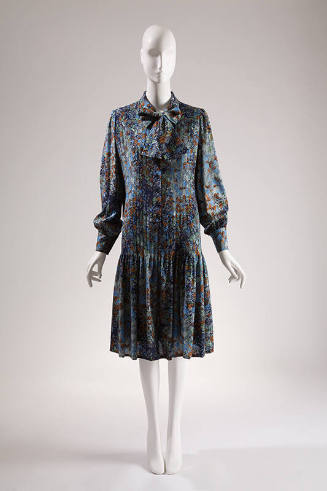
Yves Saint Laurent established his couture house with his longtime business partner Pierre Bergé in 1961 after heading the House of Christian Dior from 1957 to 1960. For four decades, until his retirement in 2002, Saint Laurent changed the course of fashion. He created a number of landmark styles: his odes to art, from Piet Mondrian-inspired shift dresses in 1965 to his 1980 Picasso collection; his “Le Smoking” tailored tuxedo suit designed in 1966; his spring 1971 collection, inspired by 1940s fashion; and his “Opéras - Ballets russes” (1976-77) and “Les Chinoises” (1977-78) collections. His ready-to-wear line, Rive Gauche, which debuted in 1966, set the template for other French couturiers to modernize and expand their businesses. Saint Laurent was also noted for his use of ethnic models at his runway shows and for the bevy of influential women—from Betty Catroux to Catherine Deneuve—who inspired and supported him as devoted clients.
In 1998, Alber Elbaz was recruited by Yves Saint Laurent and Pierre Bergé as the head of Saint Laurent Rive Gauche, placing him in line to be Saint Laurent’s successor upon his nearing retirement. Elbaz showed only three collections before being replaced by Tom Ford in January 2000 after the Gucci Group, headed by Domenico De Sole and Ford himself, purchased YSL in November 1999. During this time, Saint Laurent continued to design the couture collections until he closed the haute couture house in 2002, marking his retirement.
In 2004, Tom Ford departed the company and Stefano Pilati became creative director until 2012 when Hedi Slimane returned to the brand. Slimane had designed Rive Gauche Homme from 1997-2000. Upon his return, the house rebranded its ready-to-wear line as "Saint Laurent," dropping the “Yves.” In 2015, Slimane officially reinstated Yves Saint Laurent's couture line, available only to “friends of the house,” personally approved by Slimane, and with no runway shows. While the couture atelier remained in France, Slimane also moved the design studio to his home city of Los Angeles. Anthony Vaccarello succeeded him as creative director in April 2016.